Legal News
Crisis in education: On the Supreme Court, higher education and student well-being
04:31 AM, Monday,19 January 2026
Higher education institutions need systemic reforms
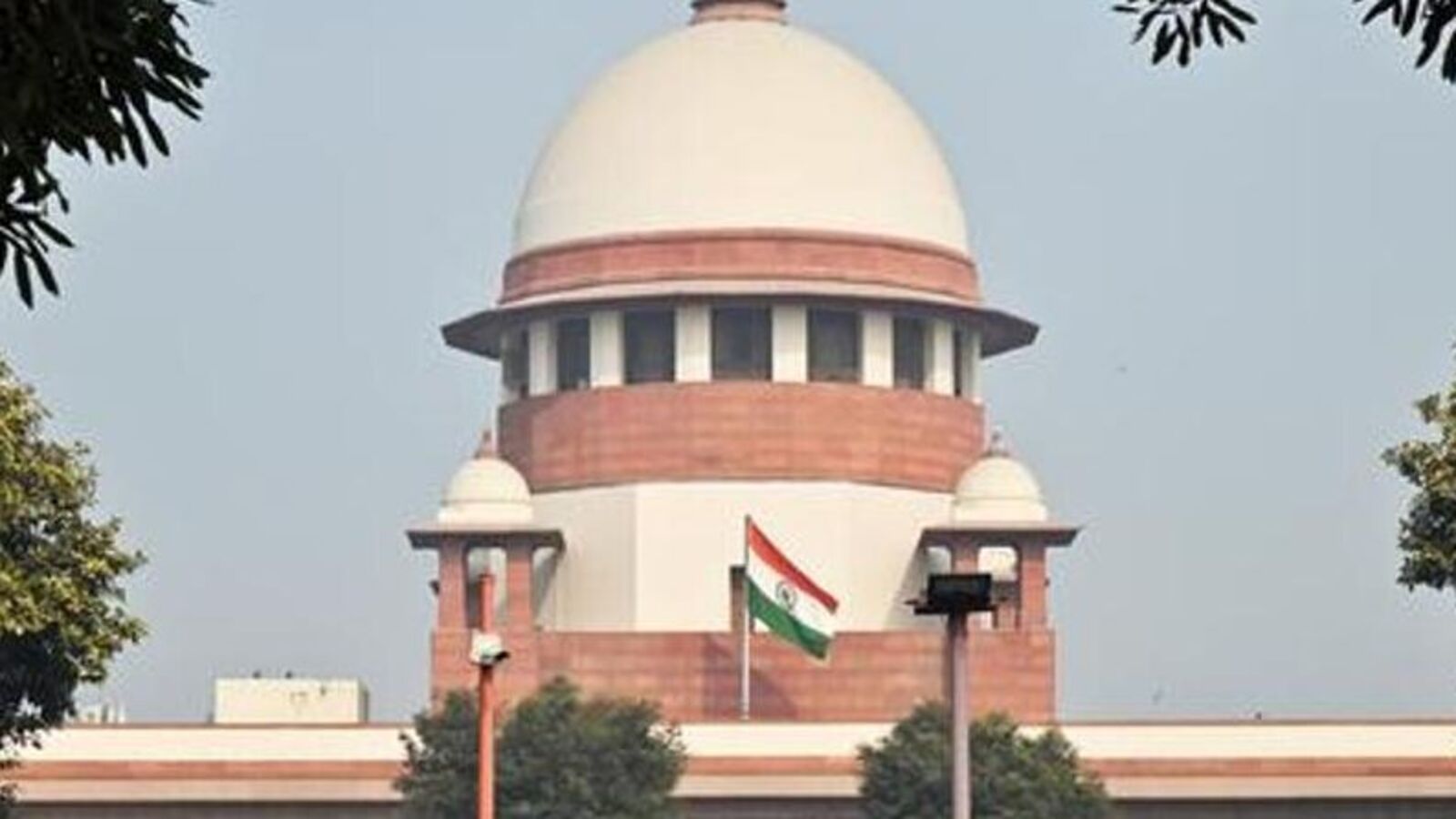
In an ongoing case relating to student suicides, the Supreme Court of India has issued nine directions to Central and State governments. Recognising the massification of higher education front-ended by privatisation without a commensurate boost in quality, the Court has taken note of student distress covering financial, social, social injustice and academic issues. The Court has invoked Article 142 of the Constitution and seven of the nine directions relate to record-keeping, reporting, and tracking suicides in higher education institutions (HEI) separately. Two directives order the filling of the posts of Registrars and Vice-Chancellors as well as all vacant faculty positions. Evidently, the Court sees these steps as critical to student well-being.
Across India, ground reportage shows that many public HEIs, especially universities, report 50% vacancies. The University of Madras is a case study as it is the premier State-administered HEI in Tamil Nadu — a State which leads the nation in enrolment in higher education and with a stellar record in women’s education. With such a storied legacy, the university was known for quality research besides awarding degrees in affiliated colleges through examinations. Teaching became an important component in the late 1970s, but in the last decade, its decline has been pronounced. No new faculty appointments have been made and the teaching strength is half of the sanctioned strength. The university’s research component is just about functional. It boasts of centres for advanced studies such as in philosophy, botany and mathematics, but these are a shadow of their original selves. Today, the humanities, science-based and social science research focused on Tamil Nadu, that the government can leverage from its public universities, has been given short shrift. Vice-Chancellor appointments have been stalled by a recalcitrant Governor. The ambiguity thrown in by the Court on the Presidential reference on a Governor’s powers may need to be resolved before Vice-Chancellor vacancies can be quickly filled. Filling faculty positions would have to follow UGC process that takes at least six months and a budgetary commitment that may be helped with Union government support. Availability of qualified faculty can be a hurdle. Corruption and political-ideological appointments have affected quality and need to be addressed. Although the four-month schedule prescribed by the Court might seem daunting, the order is a call to action to fulfil the basic requirements of a robust public higher education system before goals such as Viksit Bharat can be seriously aspired for.