Legal News
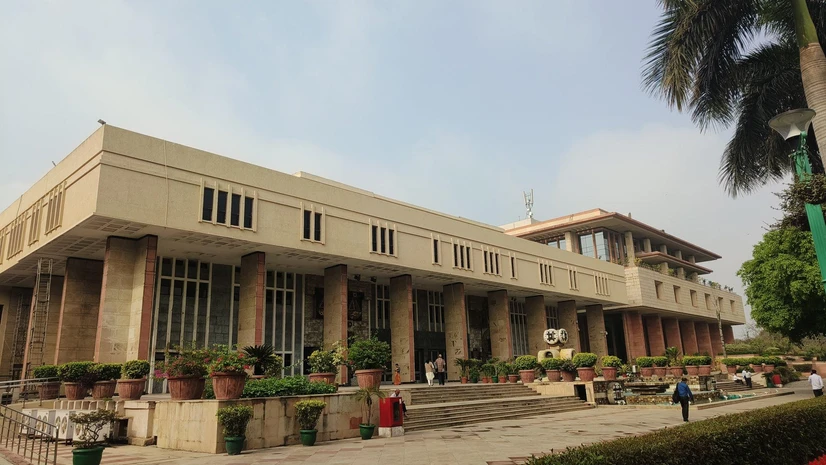
Delhi HC declines plea for special cybercrime courts
06:08 AM, Friday,12 December 2025
The plea stresses the need for specialised courts staffed with judges trained in cyber law and technology, backed by appropriate technical infrastructure, to ensure swift and effective disposal of cybercrime cases
The Delhi High Court has refused to entertain a public interest litigation seeking the creation of dedicated special courts to handle cybercrime cases. The court noted that special courts can only be created when a statute specifically provides for them.
While refusing to grant the relief sought, the court, however, allowed the petitioner Vijay Bhaskar Verma, a practising lawyer, to approach the competent authorities with his representation, directing that it be considered expeditiously.
The petitioner, represented by advocate Manish Kumar, had argued that the existing judicial infrastructure – built primarily for traditional crimes is inadequate to deal with the complexities of cybercrimes, including issues of cyber forensics, digital evidence and rapidly evolving online criminal techniques.
The plea stressed the need for specialised courts staffed with judges trained in cyber law and technology, backed by appropriate technical infrastructure, to ensure swift and effective disposal of cybercrime cases.
Citing National Crime Records Bureau data, the plea highlighted that cybercrime cases in Delhi more than doubled from 345 in 2021 to 685 in 2022, pointing to a “systemic crisis” in how such offences are investigated and processed.
Despite this surge, the petition said, conversion of complaints into FIRs remains low, with only 407 FIRs registered for cyber-fraud and cheating in 2023, even as each cyber police station reportedly receives around 30 complaints a day.
Such figures, the petitioner contended, raise concerns over whether cyber complaints are being duly converted into FIRs or are being informally resolved without recourse to the formal justice system, depriving victims of effective legal remedies.
The plea also underscored that “cybercrimes are inherently complex and technical, demanding a unique understanding of digital forensics, network protocols, encryption, and various technological platforms”.
“The investigation, prosecution, and adjudication of such offences require specialised knowledge that is often beyond the scope of general criminal courts. Judges presiding over conventional criminal cases may not possess the requisite technical expertise to effectively evaluate digital evidence, understand the modus operandi of cybercriminals, or appreciate the nuances of cyber law,” the plea said.